
The PMP Application Audit: What Triggers It, What to Submit, and How to Pass It
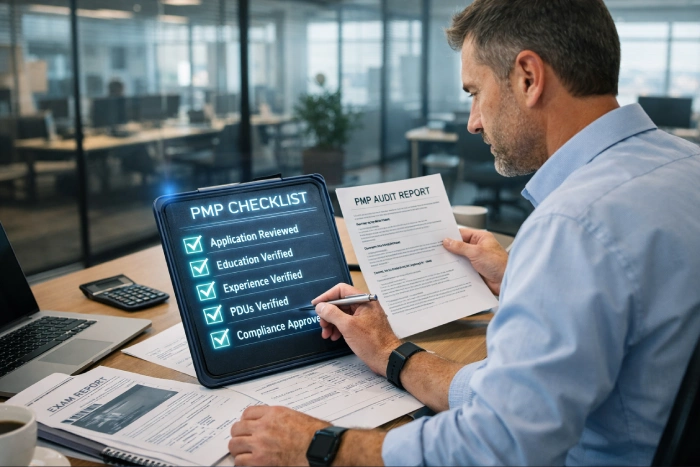
A PMP application audit is a routine and largely random verification of your education, training, and project experience claims on your application. Being selected for the audit does not mean PMI suspects you of anything. It means that your application was pulled for standard documentation review.
However, it is important to prepare all the documentation in advance, because if you don’t, then it can become a very costly process. If you cannot manage time to study, you can take the option of asking experts to take my PMP exam for me.
What Triggers a PMP Audit
A PMI random audit PMP selection happens automatically right after you submit and pay. According to PMI, the selection process is random, but certain application inconsistencies can also prompt a manual review. There is no way to avoid being selected for the process. However, keep in mind that getting your application audited is not an accusation of dishonesty.
Instead of being afraid, you need to spend your energy on preparing all the documentation for the audit. When you have everything prepared, the audit process will go smoothly. This is especially important when comparing the most difficult professional certification exams ranked, as each certification can have different application and verification requirements.
What PMI Actually Asks For
For the audit, PMI requires four proofs regarding education, training, project experience, and references. You will get an email listing what applies to your application. Here is the list of PMP audit documents required for your application.
- Education proof: Diploma, degree, or global equivalent
- Training proof: Evidence of your 35 contact hours, often a certificate from an Authorized Training Partner
- Experience verification: Project titles, descriptions, dates, and hours matching your application
- PMP experience verification reference: A supervisor, project sponsor, or colleague who can confirm each project
Most of the PMP candidates struggle with the experience verification reference because PMI does not want their version of events, but of real human beings who will confirm the work.
Prepare Before You Apply, Not After You’re Selected
The most common error made by candidates is to think of PMP audit preparation as something they should only do after being chosen. At that moment, you have a tight deadline and little time to seek training certificates from years ago or past supervisors.
Before beginning your application, collect your training and educational credentials. Scan them, give them a clear label, and store them in a convenient location. When candidates wait until they are chosen, they frequently discover that their 35-contact-hour certificate is either hidden in an old email account or was never made available for download.
Make advance contact with possible verifiers. Before submitting your application, get in touch with senior colleagues, project sponsors, and supervisors. Verify that if PMI gets in touch with them, they can and will react promptly. Your audit may be delayed if a verifier has retired, switched employers, or stopped checking an old email account.
Verify that the details of your project correspond to what your verifier would report. Audit issues may arise from discrepancies between your application and the records of your verifier. This could involve disparate project names, incompatible dates, or inconsistent hours. Make sure everything matches their records by going over each verifier’s information with them before submitting. Keep your own records of project dates, hours, and responsibilities organized throughout your career instead of gathering them under deadline pressure.
What Happens After You’re Selected
Here’s the PMP audit process explained step by step:
- PMI notifies you and provides an audit package, which you need to complete within a set window (commonly cited around 90 days). However, you should confirm the current deadline directly with PMI, as these policies are updated periodically.
- You cannot pay the certification fee or schedule your exam until the audit is completed successfully.
- Check your audit dashboard regularly to see whether your named references have responded or not. If there is no response, then follow up with them directly.
- Treat every document as mandatory because incomplete submissions are not processed.
Most of the time, the audit process stops progressing because the named contacts have not submitted their verification. It is not the responsibility of PMI to chase them for verification. So, if there is any verifier who is not responding, then you need to contact them directly and request them to complete the process.
What Happens If You Fail the Audit
The PMP audit fail consequences are real and worth understanding.
- If you provide false or unverifiable information, then it can lead to disqualification and a suspension from applying to PMI certifications. This is why you need to provide only accurate experiences.
- If your audit failed due to insufficient documents instead of false ones, then you should clarify directly with PMI whether resubmission is possible or not. Don’t assume that the process is closed before you confirm.
- If you’re not confident your current experience will hold up to verification, consider whether CAPM is the more appropriate near-term certification while you build documented management experience.
We provide assistance when you request us to take my CAPM exam for me.
A Pre-Submission Audit-Readiness Checklist
This is a pre-submission checklist, and if you can tick all of the four ones before you submit your application, then the audit becomes only a formality.
-
- Gather and keep your education and training certificates ready.
- Contact your verifiers early and confirm that they can respond.
- Check your project details with each verifier to make sure they match.
- Keep your project dates, hours, and responsibilities organized and easy to access.
Frequently Asked Questions
What triggers a PMP application audit?
PMI randomly selects applications for audit as soon as you submit and pay, and it does not mean that they are accusing you of wrongdoing. However, there are certain inconsistencies in an application that can prompt a manual review.
What documents do I need for a PMP audit?
You’ll typically need proof of your education (diploma or equivalent), proof of 35 contact hours of project management training, and verification details for the project experience listed on your application.
How long does the PMP audit process take?
The audit process can take approximately 90 days, as cited by PMI. But the overall timeline also depends on how quickly your named contacts respond to the verification requests.
What happens if I fail the PMP audit?
If you provide false or unverified information, it can lead to disqualification and suspension from applying to PMI certifications. If the issue is insufficient documentation instead of false documentation, you can directly ask PMI for resubmission options.
Can I avoid being selected for a PMP audit?
No. PMI audits are largely random, so there is no reliable way to avoid it. The best strategy is to be fully prepared with documentation so you can complete the process if your profile is audited.
Conclusion
Most of the PMP application audit stress comes from being unprepared and not from the audit itself.If you spend even a few hours preparing your documentation, then the process will become easier.You can request our experts to take my PMP exam for me once your application and eligibility are in order. Hire now and move forward in your journey.